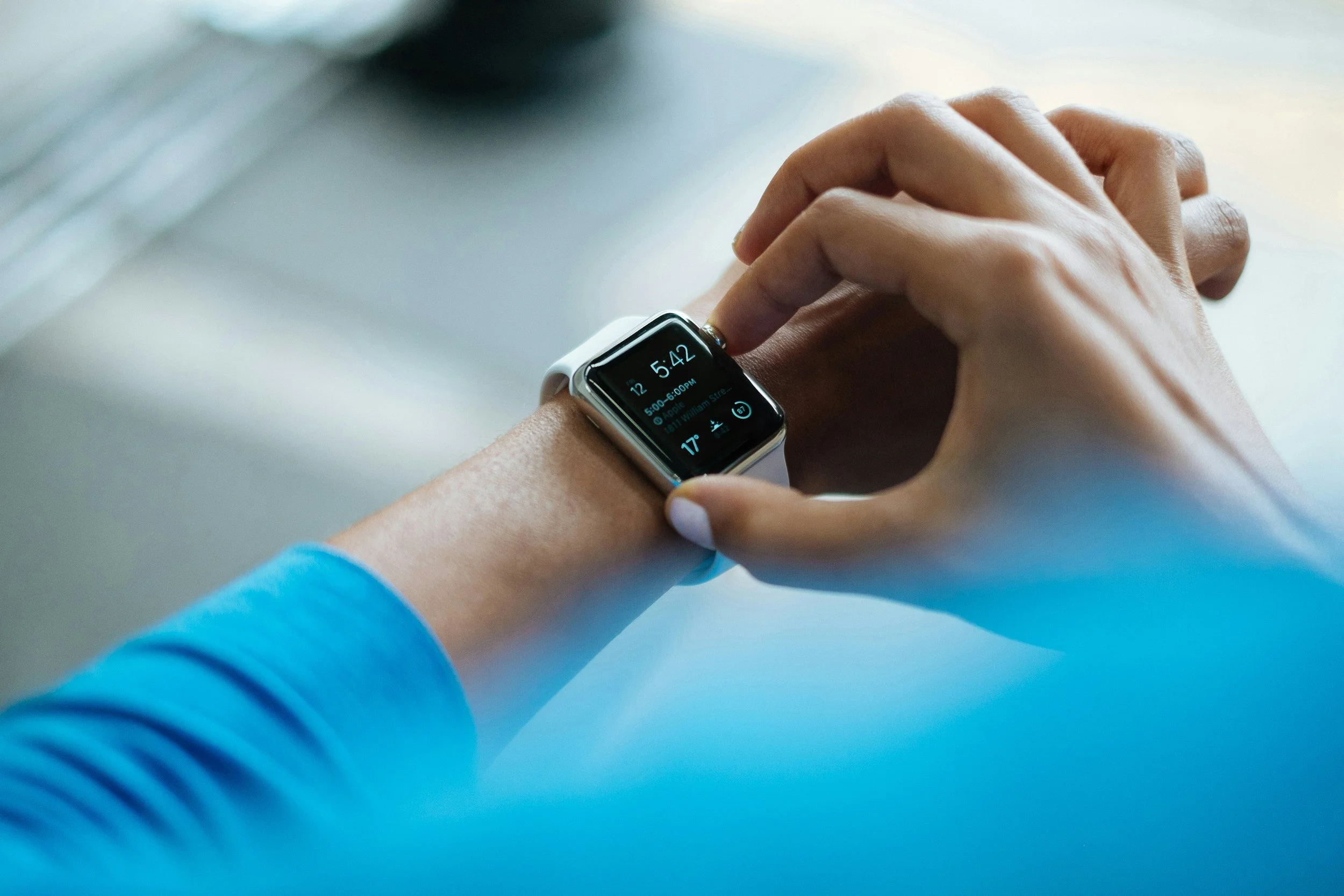
Wearable Technologies
How Wearable Technologies Are Transforming Healthcare and the New Ethics of Data Privacy and Digital Trust
Health in Real Time
Smartwatches, fitness trackers, and health-monitoring rings have turned millions into active participants in their own healthcare. Wearable technologies now measure heart rate, sleep quality, stress levels, blood oxygen, and even irregular heart rhythms. These devices provide continuous health insights that once required clinical equipment enabling earlier detection and better management of chronic conditions.
From Fitness to Medical Insights
What began as fitness tracking has evolved into digital therapeutics . Devices like Apple Watch and Fitbit can alert users to heart abnormalities, detect falls, and share data with doctors in real time. Hospitals and insurers are increasingly integrating wearable data into patient monitoring systems, using it to track recovery, medication adherence, and long-term wellness.
The Power and Risk of Constant Data
Continuous monitoring generates immense amounts of personal health data. This real-time information can help doctors make better decisions, but it also introduces new vulnerabilities. Data transmitted from wearables often flows through app ecosystems, cloud servers, and third-party analytics tools each a potential weak point for privacy breaches or unauthorized data use.
Privacy and Consent in Motion
Most users grant broad permissions when setting up their devices, often without realizing how far their data travels. Are your sleep patterns, location data, and heart rhythms shared with advertisers or researchers? Are you able to withdraw consent later? These are not theoretical questions they shape how digital health ecosystems earn or lose user trust.
Building Digital Trust Through Transparency
To sustain adoption, wearable tech companies must prioritize digital trust :
Transparency in how data is collected and shared
Control so users can access, correct, or delete their data
Security through strong encryption and authentication
Accountability when data misuse or breaches occur
Governments are also catching up, introducing privacy frameworks to regulate how consumer health data can be used in AI training, insurance assessments, and marketing.
The Future of Connected Care
Wearables are creating a new model of “continuous care,” where patients, clinicians, and AI systems work together to manage health proactively. But for this future to work, digital trust must be as integral as the technology itself. As the boundary between medical and personal data blurs, the healthcare industry faces a defining challenge: how to balance innovation with the right to privacy, informed consent, and human dignity.